Pain Relief & Mobility Support for Dogs & Cats
Integrative Veterinary Pain Management in San Francisco & the Bay Area
When your pet is living with pain, it changes everything. Movement slows. Personality shifts. Good days and bad days blur together. You may know something isn’t right, but you’re not sure what would actually help or where to start.
At Remedy Veterinary Specialists, our veterinary pain management specialists focus on pain relief, restoring mobility, and supporting quality of life for pets across San Francisco and the Bay Area. Remedy offers a comprehensive, integrative approach to chronic pain management for dogs and cats, combining advanced medical care with evidence-based therapies to treat pain thoughtfully, not reactively.
If you’re searching for veterinary pain management in San Francisco or a Bay Area veterinary pain specialist, the quickest way to request an appointment is through the chatbot in the bottom-right corner of your browser.
A Thoughtful, Integrative Veterinary Pain Management Approach
Pain is rarely one-dimensional. It may be acute, chronic, subtle, or obvious and related to injury, aging, surgery, cancer, or neurologic disease. That’s why effective pet pain management for dogs and cats looks at the full picture, not just symptoms, especially when it comes to chronic pain.
At Remedy, integrative veterinary pain management combines conventional veterinary medicine with integrative therapies when appropriate. This multimodal pain management approach supports pain relief, pain control, healing, and mobility, helping pets stay active and engaged in daily life for as long as possible.
Remedy tailors every pain management plan based on diagnosis, lifestyle, response to treatment, and what matters most to you and your pet.
Calm, Pet-Friendly Rehab Care
Rehab should feel supportive, not stressful. Remedy’s veterinary rehabilitation environment is designed to help dogs and cats feel safe during rehab appointments while they work, rest, and recover.
Remedy prioritizes:
Gentle handling and low-stress visits
Clear home-care guidance between sessions
Coordination with specialists, surgeons, and primary veterinarians when needed
A personalized rehabilitation plan that supports progress, comfort, and quality of life

Meet Remedy’s Pain Management Team
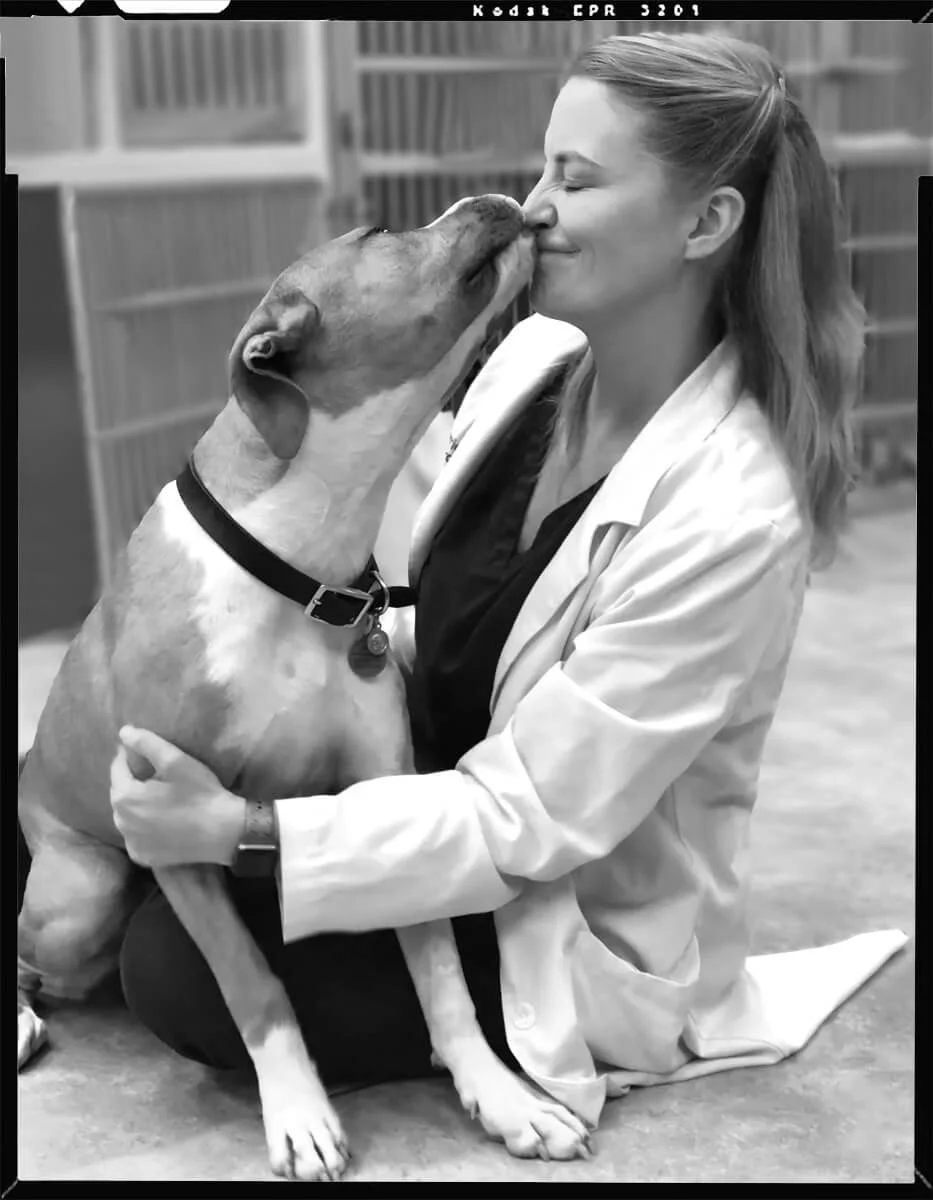
Dr. Carrie Jurney, DVM DACVIM (Neurology)
Dr. Carrie Jurney is a board-certified veterinary neurologist known for clear, practical communication, especially when decisions feel urgent. With advanced training in neurology and neurosurgery, including a neurology residency at the University of Pennsylvania, Dr. Jurney focuses on complex neurologic cases affecting the brain and spine. She brings deep experience in neurosurgical care, including procedures that support mobility, comfort, and long-term quality of life.

Stephen Niño Cital MSc (Vet. Anes.), RVT, SRA, CVPP, VTS (LAM-Res.Anes.)
Pain Management
Stephen Niño Cital is a Registered Veterinary Technician Specialist with advanced expertise in veterinary anesthesia, pain management, and integrative analgesia. He brings a research-informed approach to patient comfort and pain control, grounded in a deep respect for the human–animal bond. He’s also a Certified Veterinary Pain Practitioner through the International Veterinary Academy of Pain Management and holds a Master’s in Veterinary Anesthesiology.
Rehabilitation Services at Remedy Veterinary Specialists
At Remedy, every veterinary rehabilitation plan starts with a clear assessment and builds toward safer, stronger movement. Remedy provides canine rehabilitation and feline rehabilitation services tailored to your pet’s needs, including:
Rehabilitation consultation
Gait analysis
Proprioceptive training
Strength building
Assistive device consultations
Wheelchair fittings
Depending on your pet’s needs, rehabilitation plans may also include targeted therapeutic exercises and supportive modalities to improve comfort, mobility, and function. Our integrative pain management service combines conventional medicine with evidence-based integrative techniques to help animals live more comfortably. By approaching pain from multiple angles, we aim to improve quality of life, mobility, and healing. This holistic, team-based approach ensures your pet receives the most thoughtful, effective care available.
-
General pain management consult
Chronic pain consult
Integrative pain consult
Palliative care and comfort consult
Weight management consult
Hyaluronic acid injections
Platelet rich plasma (PRP) injections
Regional nerve blocks
Pain vacation
Ketamine therapy
Mesotherapy
Acupuncture
-
Medications: We tailor pharmaceutical options, including NSAIDs, opioids, local anesthetics, and others, to each patient’s needs.
Imaging: We use advanced diagnostics like X-rays, ultrasound, and MRI to pinpoint the source and severity of pain.
Special injections: We use new and advanced techniques like steroid epidurals, mesotherapy (superficial injections for pain of large areas), joint injections, and regional anesthesia.
-
Acupuncture: Our certified practitioners use acupuncture to stimulate endorphins and reduce pain naturally.
Herbal medicine: Customized herbal plans support pain relief and reduce inflammation.
Nutrition: We provide dietary guidance and supplements that promote healing and support long-term pain management.
Common Conditions Supported by Veterinary Rehabilitation
Veterinary rehabilitation and pet physical therapy (canine and feline physical therapy) are often recommended for pets needing post-injury or post-surgical rehabilitation, including:
Cranial cruciate ligament (CCL) tears
Fractures and orthopedic recovery
Joint instability and post-op strengthening
Vestibular disease and balance changes
Fibrocartilaginous embolism (FCE)
Neurologic weakness and coordination issues, including Wobbler syndrome
Soft tissue injuries, such as groin pulls
Recovery support for severe neuromuscular conditions such as tetanus or botulism
If your pet’s condition isn’t listed here, that doesn’t mean rehab won’t help. Many mobility, strength, and coordination issues respond well to a structured veterinary rehabilitation plan.
What to Expect at Your Pet’s Pain Management Consultation
During your first veterinary rehabilitation consultation (rehab consult or pet physical therapy visit), Remedy will:
Review your dog or cat’s medical history and any surgical or specialty recommendations
Perform a functional mobility assessment and gait analysis when indicated
Identify strength, balance, and pain-related limitations affecting everyday movement
Build a customized rehabilitation / physical therapy plan with clear goals, frequency, and next steps
Please remember, rehab is a process. Remedy will recheck your pet’s progress and adjust the plan as their strength, comfort, and function improve over time.
Veterinary Pain Management FAQs
-
Chronic pain in dogs and cats is often linked to osteoarthritis (arthritis), chronic spinal disease such as intervertebral disc disease (IVDD), past injuries, post-surgical pain, cancer pain, and some neurologic or orthopedic conditions. If your pet’s comfort or mobility has changed over time, a veterinary pain management visit can help clarify likely causes and next steps.
-
Consider a pet pain specialist if your dog or cat has ongoing limping, stiffness, reluctance to jump or use stairs, difficulty getting comfortable, or pain that isn’t improving with routine care. If you’re looking for veterinary pain management in San Francisco or the Bay Area, Remedy can help you build a clear plan focused on comfort and quality of life.
It’s important that the primary caregiver and decision-makers are available during the appointment. If someone can’t attend in person, we’re happy to include them by phone. If they’re unavailable and would like a detailed review afterward, we may recommend scheduling a telemedicine consultation, which may involve a separate fee.
-
Signs of pain in dogs can be subtle. Look for changes in activity level, behavior shifts like irritability, withdrawal, or decreased appetite, and physical signs such as limping, stiffness, reluctance to move, or flinching when touched. Vocalizations like whining or whimpering can also be a clue. If you’re noticing any of these signs, Remedy recommends a veterinary pain management evaluation to identify the cause and discuss safe options.
-
Cats often hide discomfort, so signs of pain can be easy to miss. Watch for reduced activity, hiding, changes in grooming, or litter box issues (often because it hurts to climb in or move comfortably). Increased meowing, hissing, or growling can also signal pain. If you notice these changes, consider scheduling a cat pain management evaluation so Remedy can help you understand what’s driving the discomfort and what may help.
-
Do not give your pet over-the-counter pain medications. Many human medications (including ibuprofen and acetaminophen) can be toxic or even fatal to dogs and cats. It’s also unsafe to give medication prescribed for another pet. The safest next step is an exam, so Remedy’s team can recommend a safe, effective pet pain management plan.
-
Often, yes. Arthritis pain management for dogs and cats may include prescription medications, weight management, rehabilitation or pet physical therapy, integrative therapies like acupuncture when appropriate, and targeted injections in select cases. The best plan depends on your pet’s exam findings and lifestyle.
-
A first visit typically includes a review of medical history, current medications, and prior recommendations, followed by a mobility and comfort assessment. The Remedy team will then outline options and create a pain management plan with clear goals, next steps, and follow-up guidance.
-
Integrative veterinary pain management combines conventional medicine (such as prescription pain medications and diagnostics) with supportive therapies when appropriate. The goal is to improve comfort and mobility while minimizing side effects and supporting long-term quality of life.
-
Acupuncture is commonly used as part of integrative pain management for dogs and cats. It may be recommended for chronic pain, arthritis, mobility changes, and some neurologic or post-operative recovery plans. The Remedy team can help determine if acupuncture is a good fit for your pet.
-
Veterinary rehabilitation is often recommended for dogs recovering from IVDD, especially when mobility, strength, or coordination needs support. A structured rehab plan may include gait assessment, therapeutic exercises, and guidance on safe activity as your pet heals.
-
Depending on diagnosis and comfort goals, pain management may include advanced options such as steroid epidurals, joint injections, mesotherapy, and regional anesthesia techniques. The Remedy team will explain what’s appropriate for your pet and why.
-
Most pain management plans include rechecks to assess mobility, comfort, and daily function, and to adjust medications or therapies as needed. Tracking changes at home (activity level, sleep, appetite, and movement) helps the Remedy team fine-tune the plan over time.
-
Seek urgent veterinary care if your pet cannot stand or walk, is crying out or appears severely painful, won’t eat or drink, or seems suddenly worse. If you’re unsure, it’s safest to contact a veterinary team right away for guidance.
-
Pricing can vary based on your pet’s needs and any diagnostics or therapies recommended. Remedy can review current consultation fees and discuss estimates after the exam. For the most up-to-date pricing, please refer to Remedy’s price list or contact the hospital via email or phone.