Surgery for IVDD in dogs
Medically reviewed by Remedy's board-certified veterinary neurologists, Dr. Carrie Jurney, DVM, DACVIM (Neurology) and Dr. Mona Qahwash, DVM, DACVIM (Neurology).
How much does iVDD surgery cost?
Remedy’s All-Inclusive IVDD Surgical Package: $10,000–$12,000
The Bay Area average for this surgery typically exceeds $15,000. Remedy's all-inclusive package saves you thousands, with no hidden fees.
What's included:
• Initial consultation and comprehensive exam
• Advanced MRI with board-certified radiologist interpretation
• Spinal surgery performed by a board-certified neurologist
• Overnight hospitalization with monitoring
• Post-op telehealth rehab consultation for recovery planning
Pricing valid through December 31, 2026. Dogs over 65 lbs and pets with additional health concerns may incur additional costs; these will be discussed at your consultation.
Ready to get started?
Chat with us now (bottom right chat bot) or call (415) 967-3303, our team can answer your questions and help you schedule.

Intervertebral Disc Disease (IVDD) Surgery in Dogs
Remedy’s neurology team may recommend surgery to treat intervertebral disc disease (IVDD) in dogs. Surgery is often recommended for dogs with more severe symptoms, dogs who do not recover with conservative management, and dogs with recurrent episodes. The goal is to remove disc material that’s placing pressure on the spinal cord and nerves. IVDD can feel like having a rock in a shoe. Surgery removes that rock.
Quick Summary: IVDD Surgery at Remedy Veterinary Specialists
Typical surgery time: About 1 hour
Typical hospital stay: 1–2 nights
Typical full recovery: 8–12 weeks
Functional recovery with surgery: More than 95%
If a dog cannot move or feel pain in the feet: About a 60% chance of recovery
Rare severe complication: Myelomalacia (less than 10% of very severely affected patients)
When Surgery Is Recommended
Severity of symptoms is usually the first thing Remedy considers. Dogs that cannot walk, cannot feel their legs, or remain painful despite medications are often strong candidates for surgery.
Remedy may also recommend surgery for dogs with milder symptoms. For example, some dogs have had multiple episodes of back pain or weakness. Others have tried conservative management, and their symptoms aren’t resolving or are getting worse. Some pet parents also choose surgery earlier for practical reasons. Surgery has a higher success rate in both the short and long term across all levels of symptoms, and some families prefer to start with the most effective treatment first. At the neurology appointment, Remedy’s team will review your dog’s symptoms and discuss recommendations.


Types of IVDD Surgery
At your appointment, Remedy will review your dog’s prognosis, including how severe symptoms are and how long they have been present.
Hemilaminectomy for IVDD
A hemilaminectomy is typically performed for IVDD from the shoulder blades down and occasionally in the neck. The incision is along the topline of your dog, down the middle of the back. The exact surgery and your dog’s size will determine incision length, but incisions are generally about 5 inches in smaller dogs and 7 inches in larger dogs.
The muscles are moved from the side of the spine. Using a drill, the doctor makes a small window in the bone. This allows the doctor to gently remove any disc material or hemorrhage that may be pressing on the spinal cord.
Your pet’s doctor may also recommend a preventative procedure called a fenestration, which addresses additional disc spaces as part of the surgical plan. Remedy’s team will review whether this is appropriate for your dog.
Ventral Slot Surgery for Neck IVDD
A ventral slot is the most common surgery used to treat IVDD in the neck. The incision is on the underside of the neck and is typically about 6 inches long in small dogs and about 9 inches long in larger dogs. The doctor moves important structures to the side to access the bottom of the vertebrae.
Once there, the doctor makes a small window in the middle of the bone on either side of the disc space. This allows the doctor to pass an instrument around the spinal cord to remove disc material or hemorrhage. As with a hemilaminectomy, your doctor may also perform a preventive fenestration on other disc spaces in the neck.
What to Expect on Surgery Day
Here’s what to expect on surgery day, from morning instructions to what to bring and how updates work.
Morning of Surgery
Please do not give your dog any food or treats the morning of surgery, except for a small bite to take any needed medication.
Unless instructed otherwise, please give all medications as normal the morning of surgery.
If your dog’s surgery is an emergency and they ate breakfast, please let the team know. This increases the chance of pneumonia, but Remedy will take extra steps to help prevent this.
What to Bring
Please bring your dog’s medications, assistive devices you have (harnesses, slings), and their food if they’re on a special diet or have a sensitive stomach. Remedy cannot accept raw food diets for dogs due to the risk of bacterial contamination.
You can bring toys or blankets, but there’s a chance they may be lost. Dogs often soil their bedding as they recover from surgery, and the hospital runs a large amount of laundry each day. Please do not bring an irreplaceable toy or blanket.
How Long IVDD Surgery Takes & Hospital Stay
Most IVDD surgeries take Remedy’s neurology team about an hour to perform. Dogs usually stay in the hospital 1–2 nights after surgery. Overnight, patients are monitored by experienced veterinary technicians, and there’s a doctor on call if there are any concerns.
You can expect an update from the doctor directly after surgery, and then someone from the neurology team will update you daily. You’re also welcome to call for updates from 9 am to 5 pm.

Prognosis After IVDD Surgery
At your appointment, Remedy will review your dog’s prognosis, including how severe symptoms are and how long they have been present.
Symptom Severity & Functional Recovery
The first and most important factor is the severity of symptoms. Most dogs, including many dogs who are completely paralyzed, will functionally recover with surgery.
Functional recovery means being free of pain, able to walk, and able to urinate and defecate without assistance. Not every dog returns to 100% normal after a spinal injury and surgery because the spinal cord does not heal easily. However, many dogs recover to the point that only a careful observer notices any disability.
More than 95% of dogs have a functional recovery with surgery. Remedy’s physical rehabilitation service is here to help your dog achieve the best recovery possible. After surgery, it is also less likely that your dog will have another IVDD episode in the future.
Dogs with total loss of function, who can neither move their legs nor feel any pain in their feet, do not have as good a chance of recovery. MRI findings can provide more information, but most dogs with this level of symptoms have about a 60% chance of recovery.
Risk of Myelomalacia
In rare cases, a severe spinal cord injury can lead to a catastrophic and progressive condition called myelomalacia. This can develop days to weeks after surgery despite best efforts. When this happens, the spinal cord progressively deteriorates. This is very painful, and as it progresses, it can paralyze the muscles necessary for breathing. When Remedy sees evidence of this condition, euthanasia may be the only humane recommendation.
Fortunately, myelomalacia is rare and occurs in less than 10% of very severely affected patients.
How Long Symptoms Have Been Present
Another factor that affects prognosis is how long symptoms have been present. In Remedy’s experience, dogs with long-term injury (months to years) often do not recover as completely. In these cases, the goals are to treat pain and stop the progression of signs.
In general, Remedy often sees dogs return to the level of function they had one to two months before surgery, but this varies. Physical rehabilitation is strongly recommended after surgery for dogs with more chronic injuries.
IVDD Surgery Recovery Timeline
In general, full recovery from these procedures takes 8–12 weeks. Every dog heals at their own rate, but Remedy often sees about 80% of expected recovery in the first few months. After that, further recovery is possible, but the pace of improvement tends to slow.
The First Month: Rest
The first month of recovery focuses on rest. Your dog has had a major procedure and needs time to heal. Because bone is removed from the spine during surgery, your dog needs to form scar tissue to stabilize and heal the area. Before this scar tissue forms, the spine is more fragile.
Excessive movement and jumping can cause bleeding, swellings of fluid called seromas, and sometimes further disc extrusion. In the worst case, a dog can fracture bones in the spine before healing completes. It only takes a second for a dog to jump off a sofa and cause serious injury, which may require another surgery.
If your dog is resistant to crate rest, please let Remedy know so the team can discuss sedatives or other strategies. Remedy’s post-operative instructions will walk you through recovery in detail.
After The First Month: Gradual Return to Activity
After the initial rest period, Remedy will focus on gradually increasing your dog’s mobility and freedom. If at any point your dog seems in pain, rest them and reach out to Remedy’s neurology team to discuss next steps.
Recovery Crates & Playpens for IVDD Surgery Recovery

An indoor dog playpen (exercise pen) helps limit movement during IVDD recovery while giving your dog a safe, calm space to rest. It can also help prevent jumping on furniture or sudden bursts of activity during healing.
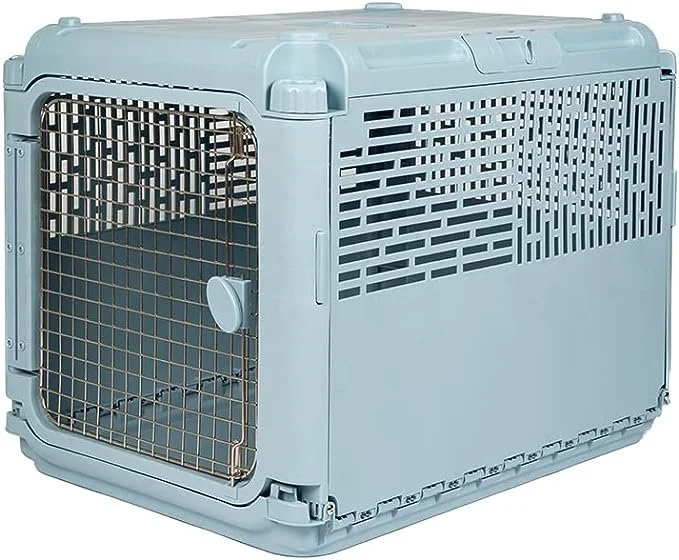
A rolling travel kennel can make it easier to keep your dog safely contained during IVDD recovery, especially when you need to move them from room to room. A secure crate helps limit sudden movement and supports a calm rest routine.
IVDD Surgery in Dogs FAQs
-
Surgery is often recommended for dogs with more severe symptoms, dogs who don’t recover with conservative management, and dogs with recurrent episodes.
-
The goal of IVDD surgery is to remove disc material that’s placing pressure on the spinal cord and nerves.
-
Most IVDD surgeries take Remedy’s neurology team about an hour to perform.
-
Dogs usually stay in the hospital 1–2 nights after IVDD surgery.
-
Functional recovery means being free of pain, able to walk, and able to urinate and defecate without assistance, even if a careful observer might notice mild residual deficits.
-
Full recovery typically takes 8–12 weeks. Remedy often sees about 80% of expected recovery in the first few months.
-
Myelomalacia is a rare, catastrophic, and progressive spinal cord injury that can develop days to weeks after surgery in very severely affected patients. It’s painful and can progress to respiratory failure. When Remedy sees evidence of this condition, euthanasia may be the only humane recommendation.
An indoor dog playpen (exercise pen) helps limit movement during IVDD recovery while giving your dog a safe, calm space to rest. It can also help prevent jumping on furniture or sudden bursts of activity during healing.
A rolling travel kennel can make it easier to keep your dog safely contained during IVDD recovery, especially when you need to move them from room to room. A secure crate helps limit sudden movement and supports a calm rest routine.