

My Dog Suddenly Can't Walk: What to Do Right Now
When a dog suddenly can't stand, drags their back legs, or seems wobbly and weak, it's frightening, and it can be painful. Most sudden walking problems come from the spine, but they can also come from the brain, the nerves, or a severe illness in another part of the body. We want to help your dog as soon as possible, so call us right away.
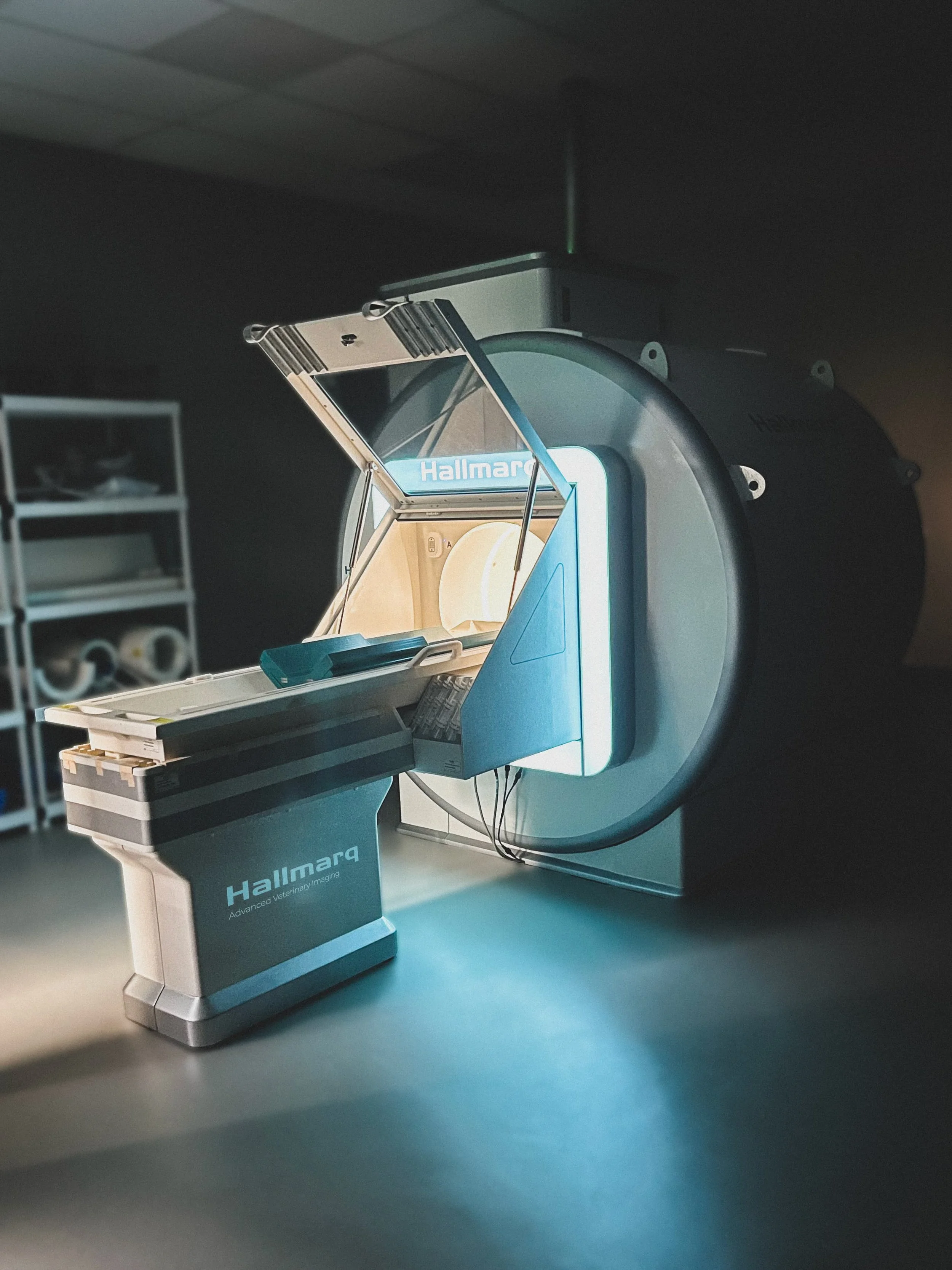
If your dog can't walk right now, call us at (415) 967-3303. Remedy Veterinary Specialists is a veterinary neurology hospital in San Francisco with board-certified neurologists, on-site MRI, and spinal surgery under one roof. No referral is needed.
Is This an Emergency?
Being completely unable to walk, weakness or wobbliness that is getting worse, and pain are all urgent. Here's how quickly your dog should be seen.
Come to Remedy or your nearest emergency hospital right now if your dog:
-

Suddenly can't stand or walk, or is dragging one or more legs
-

Is in severe pain, or has pain that isn’t controlled by medication
-

Hasn’t urinated in 24 hours
-

Is having seizures, trouble breathing, or is very lethargic
Come to Remedy within a week if your dog:
Is dropping poop without noticing, or having accidents in bed
Is mildly weak or wobbly, and it’s getting worse
Has milder pain
Still has pain after a week of medication and rest
Call (415) 967-3303 or use the chat to get your dog seen.

Need help now
Monday–Friday, 8 a.m.–5:30 p.m.: call (415) 967-3303 or use the chat on our website.
Weekday evenings: our on-call team is available for new and current patients — call (415) 967-3303.
Weekends and holidays: please go to your nearest 24-hour emergency hospital.


Common Reasons a Dog Suddenly Can't Walk
-
Intervertebral disc disease (IVDD)
The most common cause of sudden back-leg weakness or paralysis. A spinal disc bulges or ruptures and presses on the spinal cord. Dachshunds, French bulldogs, corgis, and other small breeds are at higher risk. Some dogs recover with rest and medication; others need surgery.
-
Spinal injury or other spinal cord disease
Trauma, spinal tumors, infections such as discospondylitis, and inflammatory conditions can all affect the spinal cord.
-
Vestibular disease
Sudden loss of balance, a head tilt, falling or circling, and flickering eyes. It can look like a stroke, and older dogs are commonly affected.
-
Nerve and muscle disorders
Conditions like polyradiculoneuritis ("coonhound paralysis"), myasthenia gravis, and tick paralysis can cause weakness that starts in the back legs and spreads.
-
Gradual weakness that suddenly seems worse
Sometimes a slow condition, like degenerative myelopathy, or a joint problem, like a torn cruciate ligament, reaches a point where an owner suddenly notices a big change. A neurologic exam helps sort out whether the problem is the nervous system or the bones and joints.
-
Fibrocartilaginous embolism (FCE)
A "spinal stroke" that often happens during play or exercise. Dogs usually cry out briefly, then lose function in one or more legs, often on one side, and the signs typically don't get worse after the first day. Many dogs improve with supportive care and rehabilitation.
How Remedy Can Help
Getting Here With a Dog Who Can't Walk
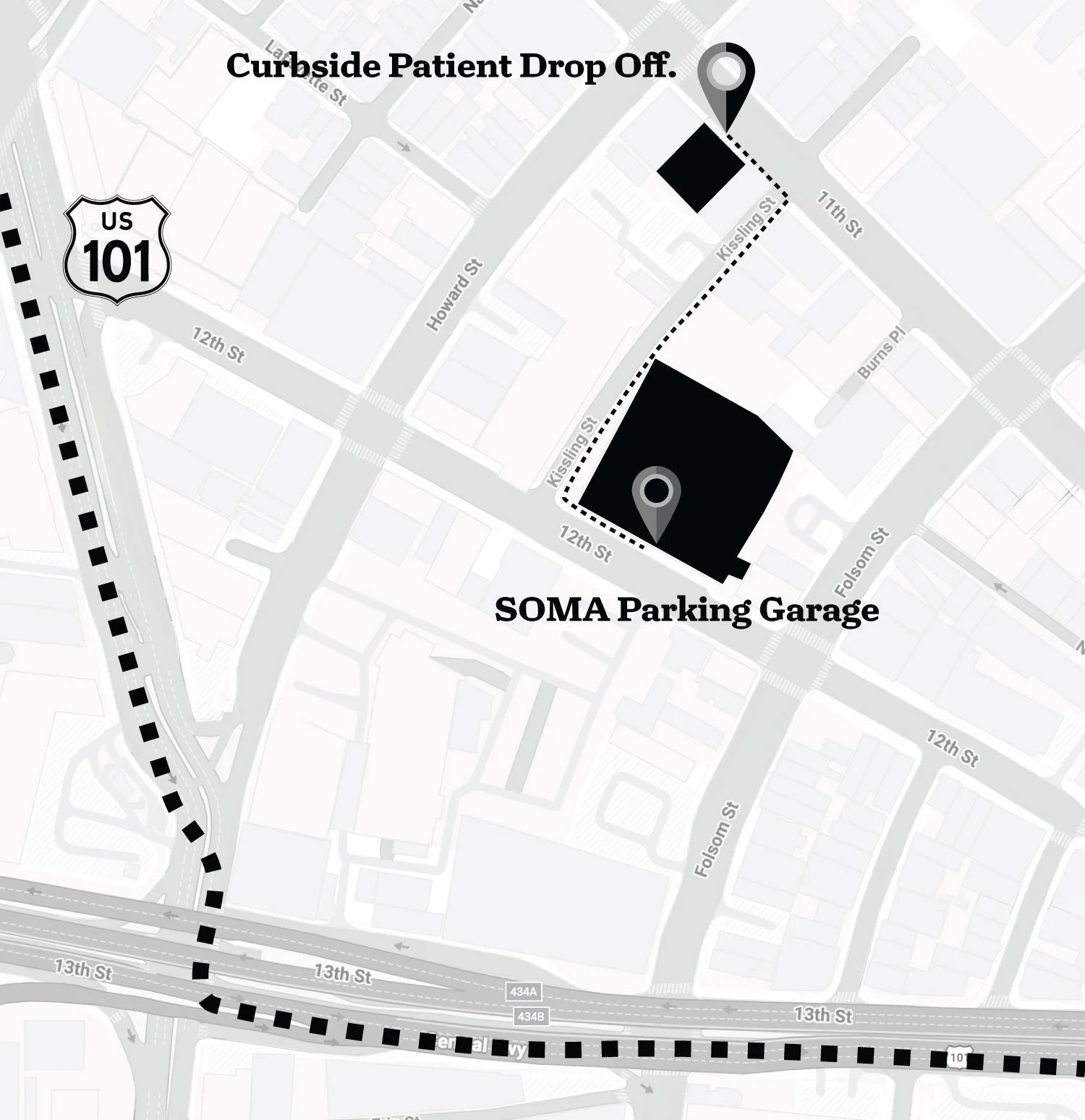
Remedy is two blocks off Highway 101 at 216 11th Street in San Francisco's SoMa neighborhood. Pull up to the curb right in front of the hospital for patient drop-off, bring your dog inside first, and then park. If you need help getting your dog out of the car, call us when you're a few minutes away and our team will meet you at the door.
The SOMA Hub Garage at 255 12th Street is one block away, with a short, easy walk back.
The Road to Recovery
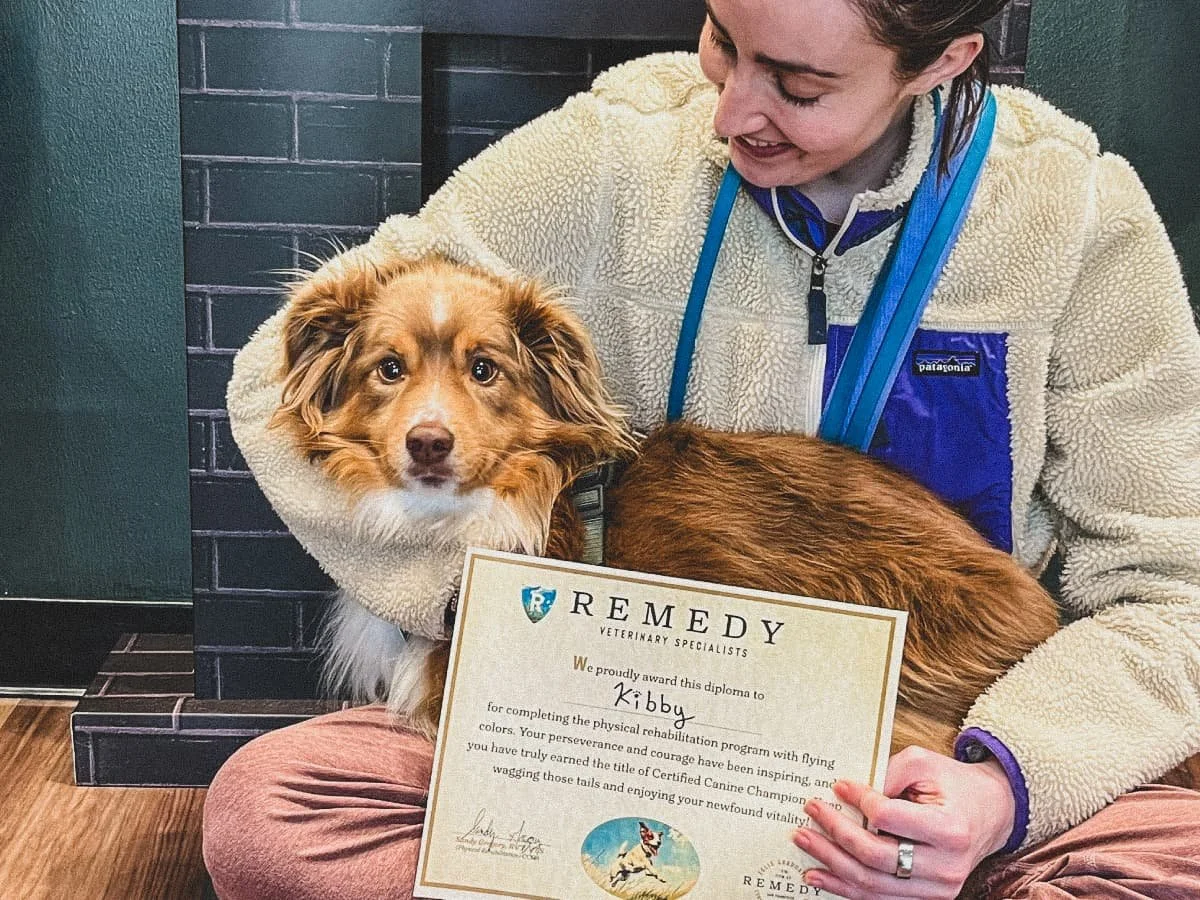
Many dogs who suddenly can't walk go on to walk again. Recovery often includes physical rehabilitation with Sandy Gregory, RVT, VTS (Physical Rehabilitation), who leads Remedy's rehabilitation program — from guided exercises and gait work to wheelchair fittings when they're needed.
While your dog is healing, we'll also show you how to keep them clean, comfortable, and safe at home, including how to help with their bladder if they can't urinate on their own.
Frequently Asked Questions
-
The most common cause is a spinal problem, especially intervertebral disc disease (IVDD), where a spinal disc presses on the spinal cord. Other causes include a spinal stroke (FCE), spinal injury, vestibular disease, nerve or muscle disorders, and sometimes a severe illness in another part of the body. A neurologic exam, and often an MRI, is the way to find the cause.
-
It can be. Come to Remedy or your nearest emergency hospital right away if your dog can’t walk, is in severe pain or pain that isn’t controlled by medication, is having seizures, or hasn’t urinated in 24 hours. If your dog is mildly weak or wobbly and getting worse, has milder pain, is dropping poop without noticing, or still has pain after a week of medication and rest, we’d like to see them within a week.
-
Most can. Recovery depends on the cause, how severe it is, and how quickly treatment starts. Your neurologist will check how severe your dog’s problem is during the exam and explain what to expect.
-
Spinal problems are graded by severity. The most severe level is loss of deep pain: the dog is completely paralyzed and can’t feel its feet, even when we pinch very hard with an instrument. We understand it’s tempting to test this at home, but in our experience most owners don’t do it correctly. The test should only be done after confirming the dog can’t move its legs even slightly, and it takes a much harder pinch than an owner should use. Pinching incorrectly can damage the toes and nails, so please leave this test to your neurologist.
-
No. Even if your dog seems to improve, a sudden loss of the ability to walk should be checked by a veterinarian promptly. Some conditions get worse over hours or days, and treatment works best before they become severe.
-
No referral is needed. You can call us directly at (415) 967-3303. We’re happy to work with your regular veterinarian.

Ready to talk about your pet’s care?
You don’t need a referral to schedule with Remedy. Tell us what’s going on with your pet, and our team will help you choose the right appointment and explain what to expect, including costs, before anything is done.

Chat with us now using the chat button in the bottom right corner, or call (415) 967-3303.
Open 8 am–5:30 pm, Monday–Friday.